


How to Rent a Car in Edinburgh and Scotland
What you need to rent a car in Scotland
To make sure picking up your rental car in Scotland is quick and smooth, bring the following when you visit our branch:
- A full, valid driving licence: We may need an International Driving Permit (IDP) if your standard licence is not written in the Latin alphabet.
- A valid passport: European visitors to the UK also need an Electronic Travel Authorisation (ETA), since April 2025.
- A credit or debit card: The card must be in the name of the main driver. For SUVs, premium and luxury vehicles, we may require a credit card. Our staff may also ask you to show a return travel booking and accommodation details.
- Your booking confirmation: Bring the confirmation email or reference number from your reservation.
To hire a car from Enterprise, drivers must be 25 years of age or older. For premium vehicles and full-size MPVs, the minimum age is 30.
The car rental process: step by step
Car rental in Scotland is easy to organise, even before you arrive here in the UK. Here’s what you can expect at each stage.
1. Choosing your rental location
Select where you want to pick up your vehicle. Enterprise rental locations are at major airports, train stations and city-centre branches throughout the country.
2. Selecting the right vehicle
The right vehicle for your holiday in Scotland depends on your destination, the number of people you’re travelling with, and the amount of luggage you’re bringing with you.
3. Picking up the vehicle
When you arrive at your branch, the rental team will review your documents and walk you through the rental terms on fuel policy, mileage, and extras.
As an extra precaution, make notes and take pictures of any existing marks on the car, so you can confirm they were there before you drove away.
4. Returning the car
Return the vehicle with the same fuel level as when you collected it. Some of our locations, particularly airports, offer after-hours returns, but opening hours and return options vary by branch.
Choosing the right vehicle for your trip
The vehicle you choose for your trip to Scotland makes a real difference. Roads in Scotland range from single-track rural roads to narrow, busy medieval city centre streets.
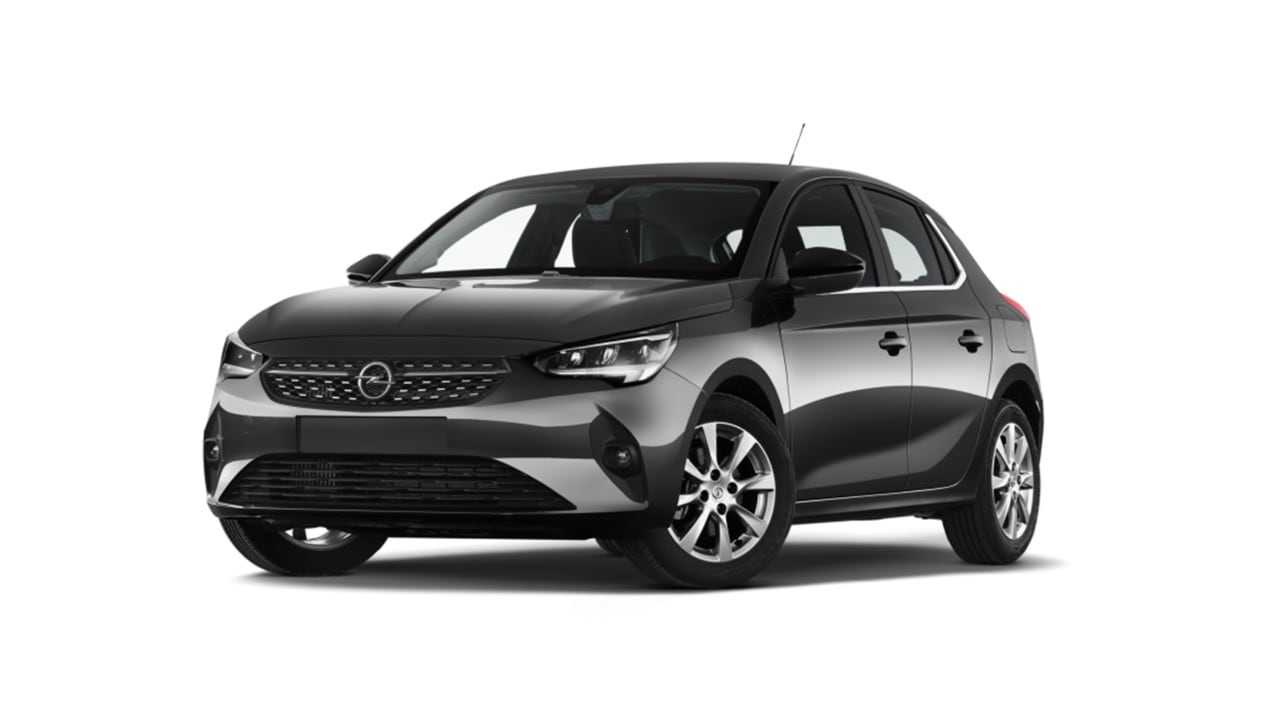
The four most popular types of vehicles are:



Renting a car in popular destinations in Scotland
When travelling to Scotland, you’ll likely want to visit either Edinburgh or Glasgow, or both. It can be difficult to decide where to go, but there are reasons to visit both:
“There’s a friendly rivalry between the two cities. Both have many facets worth exploring.” - Emma Gregg
You’ll find our Scotland car rental experts in the two main cities, Edinburgh and Glasgow:


Practical tips for driving in and travelling to Scotland
1. The left lane
In Scotland, you drive on the left lane, and most rental vehicles are right-hand drive. It may take you a little time to adjust.
“You’ll be very aware of this at first, but may suddenly forget as the days roll on. At roundabouts, give way to traffic approaching from the right, and when exiting, indicate left.” - Emma Gregg
2. Speed limits
Speed limits are 30 mph (20 mph in some signed zones), 60 mph on single carriageways and 70 mph on motorways.
3. Passing places
Passing places on rural single-track roads are for letting oncoming vehicles pass. Pull into one on your left if you see a car coming towards you.
“When two vehicles are approaching each other on a single-track road, the vehicle that’s closest to a marked passing place should pull in, or wait opposite.” - Emma Gregg
4. The weather throughout the year
The weather is very changeable, so factor that into your driving times.
“Nobody visits Scotland for the weather. That said, spring (March to May) and autumn (September to November) can be wonderful times of year.
“While sunshine is by no means guaranteed, the crowds are far thinner than in summer, and there’s less traffic on the roads, both in the cities and the countryside. Spring brings fresh growth and wildflowers, while the trees in autumn can be truly magnificent.” - Emma Gregg
5. Low Emission Zones
Edinburgh and Glasgow operate Low Emission Zones, meaning your vehicle needs to meet Euro 4 (petrol) or Euro 6 (diesel) emission standards to drive in these areas.
6. City exploration
There are plenty of neighbourhoods and areas in both popular cities, Edinburgh and Glasgow, that are worth exploring on foot.
“Remember, bring comfy shoes. Edinburgh is one of Europe’s most walkable cities, with plenty of pedestrianised areas. The best spots to explore on foot are the historic, medieval Old Town and the elegant Georgian New Town.
“It’s straightforward to cover longer distances by public transport: Edinburgh Trams run from the airport to the city centre and Lothian Buses offer a reliable, round-the-clock citywide service.
“In Glasgow, it’s worth getting to know the Clockwork Orange – the locals’ name for the underground metro. The other main modes of public transport are suburban trains and citywide buses.
“The most walkable neighbourhood is the West End, where you’ll find the peaceful Kelvingrove Park, the leafy Glasgow Botanic Gardens, and Ashton Lane, a cobbled street dotted with popular pubs, restaurants and cafés.” - Emma Gregg
7. Beyond the tourist traps
Finally, when planning your trip, it’s worth looking into what the popular cities of Scotland have to offer.
“Scotland’s contemporary food and drink scene is buzzing. In 2026, Edinburgh has seven Michelin-starred restaurants, and Glasgow has two.
“Both Edinburgh and Glasgow are looking beyond their whisky-distilling heritage to become hubs of artisan gin and rum production.
“Venues such as Edinburgh’s Summerhall Distillery, Edinburgh Gin Distillery and South Loch Distillery offer gin-making masterclasses and expert-led tastings, while Glasgow hosts an annual festival of craft gin, rum and vodka, The Craft Spirit Show, in October.
“That said, remember that Scotland’s drink-driving limit is stricter than elsewhere in the UK, so don’t risk it!” - Emma Gregg
Choosing the right car rental with Enterprise
At Enterprise, we’re here to make your journey as enjoyable as possible, whether you’re choosing a rental for the entire trip or simply for when you need it.
“If you’re starting your trip with a few days in Edinburgh or Glasgow and don’t feel you’ll need a car while you’re in town, it makes sense to delay the start of your rental period until you’re ready to explore further afield.
“The cost of renting a car in a city centre is usually lower than at an airport. Public transport from the airport to and around the city centres is reliable and efficient, and you’ll find rental outlets right in the thick of things.” - Emma Gregg
To check our current availability and pricing, check online or contact your nearest branch. Wherever your journey takes you, we look forward to helping you get there.
Emma Gregg is a multi-award-winning, UK-based travel journalist. Specialising in sustainability and responsible tourism, she writes about eco-friendly adventures for the national press, tourist boards, travel companies, major guidebook publishers and prestigious travel websites.