


How to Rent a Car in Germany
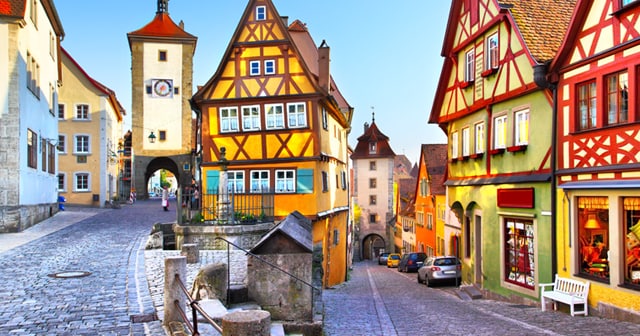
What you need to rent a car in Germany
When you get to our branch, we know you’ll be keen to get out and explore the country as fast as you can. To help our team get you on your way, please have the following ready:
- A full, valid driving licence: Please present your physical Italian driving licence because we can't accept digital versions. You won’t need an International Driving Permit.
- A valid passport or ID card: We'll need this to verify your identity.
- A credit or debit card in your name: We accept Visa, Mastercard and American Express. For full-size, premium and large vehicles, we’ll require your credit card.
- Your booking confirmation: Please bring your confirmation email or reference number.
Drivers aged 21 to 24 can rent compact to standard cars, five-seat minivans, medium and standard SUVs, and vans. For other vehicles, like a seven- or nine-seater minivan, a full-size or premium SUV, or a luxury car, you need to be 25 or older.
The car rental process: step by step
You can book online from home or in person when you’re in Germany. The sooner you book, the wider your choice of available vehicles.
When you’re renting a car, there are several steps you should take, starting with what type of trip you need your car for.
“When you are going to use a car, my philosophy is you should really use it: go places that only a car can take you, adventure off the beaten path, and put something together that is truly memorable, a proper road trip.
“If you want to drive, let's talk about the best driving roads and the hidden gem monasteries that have been brewing beer for a thousand years. You are not going to be able to do that with a train anyway.
“You won't be competing with other transit options, and you will really get your money's worth.” - Ben Harrison
1. Choosing your rental location
We work from over 200 car hire locations across Germany, including city-centre branches and 17 airports.
2. Selecting the right vehicle
You get confirmation of your vehicle and pricing when you book, so you know what the cost will be exactly before you travel.
3. Picking up the vehicle
After we've checked your documents, we'll let you know about the optional extras and give your vehicle a quick inspection. For low-emission zones, we'll show you the green Umweltplakette on the windscreen, which gives you access to over 50 German cities that enforce them.
4. Returning the car
Please bring your vehicle back at the end of your hire with the same level of fuel as when you picked it up. Some of our branches stay open late, so ask about out-of-hours drop-off when you pick up.
Choosing the right vehicle for your trip
Enterprise has a wide range of vehicles available at every location. Whether you’re driving through city streets or going cross-country, there are always plenty of things to consider.
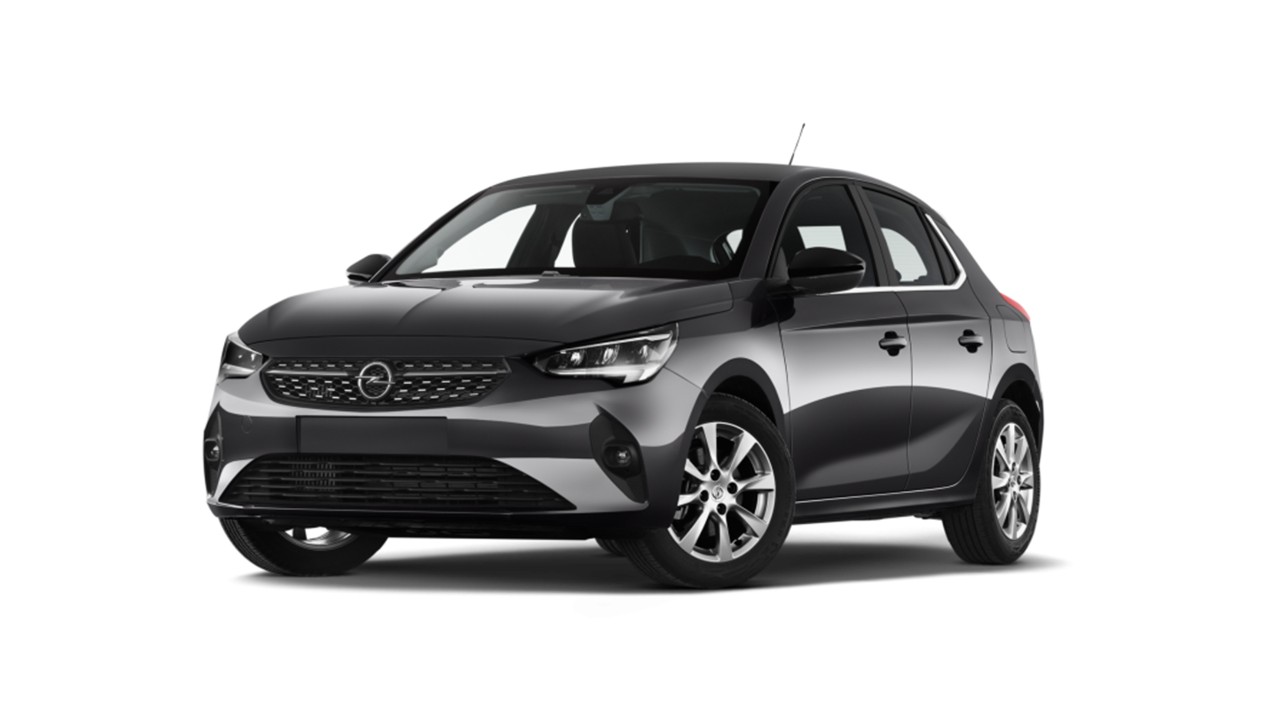
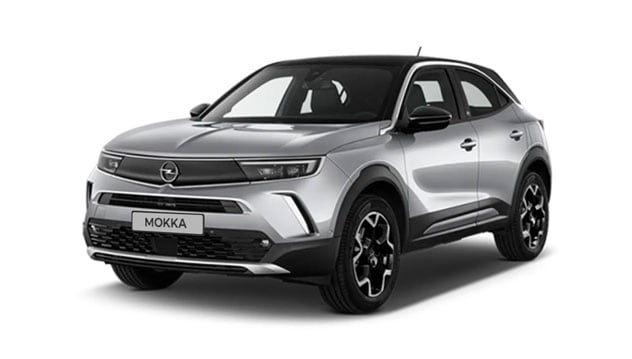
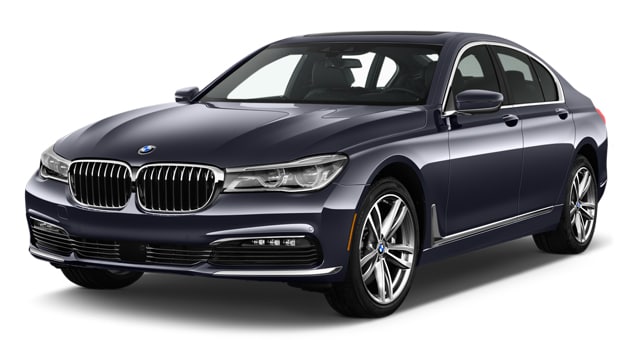
“Driving in Germany can be really well enjoyed with a German car. Their engineering is second to none, and German cars are tested on their own streets for the Autobahn and for city driving.” - Ben Harrison
Here’s how you can pick the right one when visiting Germany:
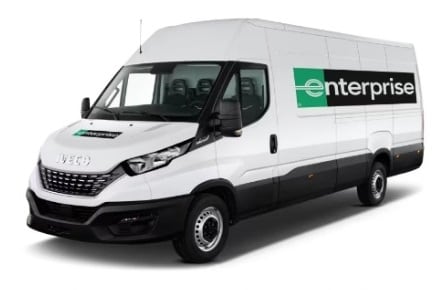
Long-term car rental in Germany
For a work assignment, relocation or open-ended trip, we offer flexible monthly terms from any branch. This is especially worth considering if you’re planning on exploring many different types of German roads.
“While it is not as tight as it can be in places like Italy, we still have those issues where roads can get narrow pretty quickly. A lot of our parking lots, especially near the cities, are proper underground, so that can get very tight very quickly.” - Ben Harrison
Check out our current car hire deals for current offers on long-term rentals in Germany.
Renting a car in popular destinations in Germany
We have airport and city-centre branches in all three of Germany's main hubs. Here's where to find us in Berlin, Munich and Frankfurt.

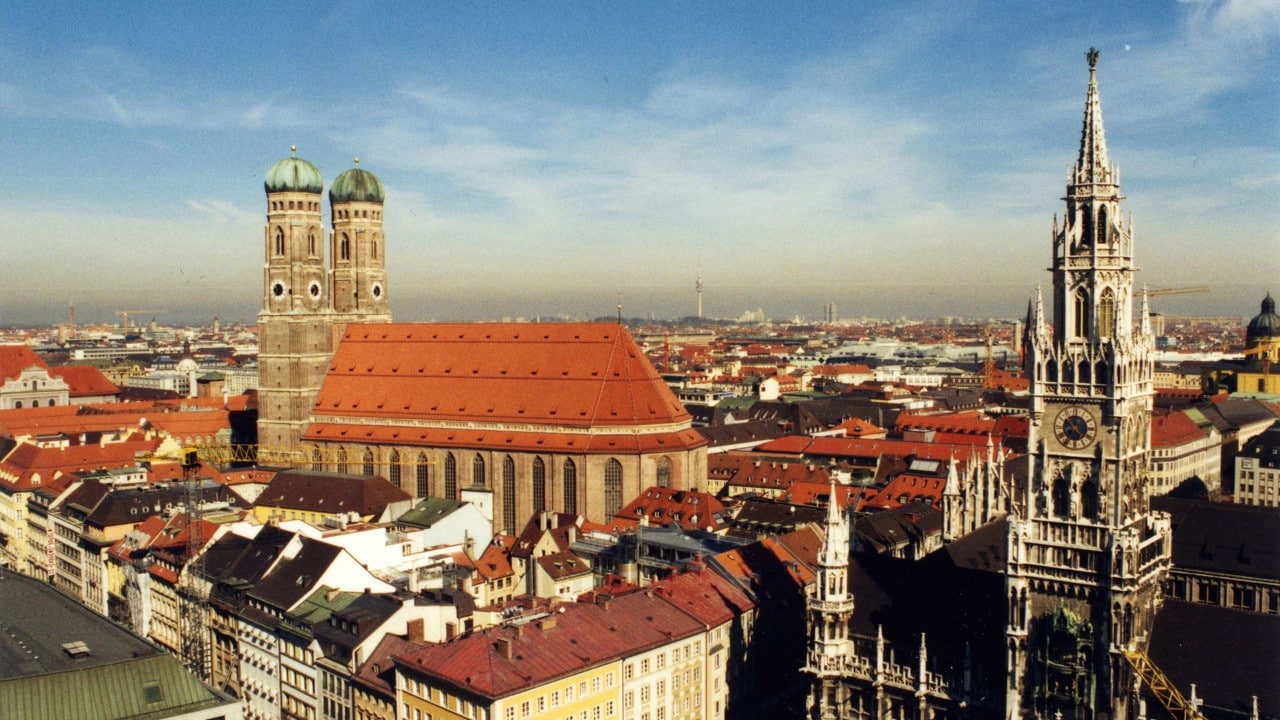
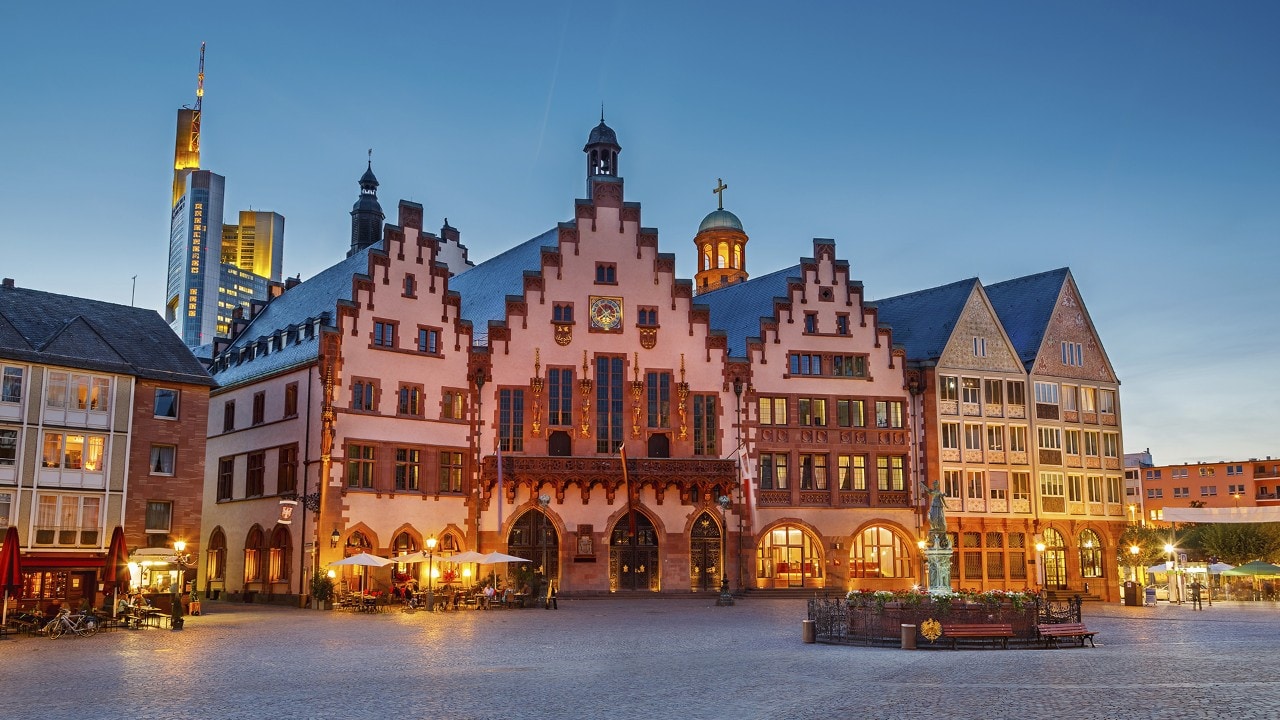
Where to go in Germany
When thinking about Germany, there are several cities and towns that come to mind as places to travel to. From popular destinations like Berlin and Munich to more hidden gems, there are plenty of places worth exploring.
“If I had a car, I would drive along the quite famous Romantic Road. It is called the Romantic Road not because of romance, but because it is an old Roman trade route.
“It goes from Füssen to Würzburg, and Rothenburg ob der Tauber is also very famous on there. Because that entire trade route was made by Romans, there is a village every day's walk, which for a car is a 20-minute drive.
“There must be a hundred villages along that length, most of which are undiscovered. I would pick an old trade route, follow it more closely than the average tourist, visit Rothenburg, but also visit places like Nördlingen, leaving room for spontaneity.” - Ben Harrison
As well as offering routes with ample opportunities for exploration, Germany presents travellers with excellent destinations and potential cross-country road trips worth considering.
“People really enjoy driving towards the town of Oberammergau and Linderhof Palace. Linderhof Palace is King Ludwig II's tiny mountain home. It is a palace, but it is only nine rooms, so it is the size of a small house. It is in the middle of the woods on a truly stunning driving road that takes you through a mountain pass from Germany into Austria.
“Along that route, you have the town of Oberammergau, which is very famous and charming for its wooden sculptures. There is also an abbey called Ettal Abbey, which is a gorgeous structure with a fascinating history and a brewery. Then you have a great driving road leading you to a lake as well, called Plansee.
“When you put all that together, that is a day that can only be done with a car and a good road trip attitude. Some people take a tour bus, but you don't get to see everything, it takes way longer than it needs to, and you don't get to have the spontaneity of spending longer at the lake if it is a beautiful day out.” - Ben Harrison
When’s best to travel to Germany
Germany is generally considered to be an all-season tourist destination. While the weather may not be a primary reason to travel, there’s plenty to enjoy throughout the year, with the exception of January and February.
“February is probably the worst because it is just grey. January to February is a period I'd maybe give a pass, though January works for skiers and mountain sport enthusiasts who appreciate the south.” - Ben Harrison
Spring & Summer
“The rest of the year, we usually have something going on. As soon as May hits, the beer festival season begins in the south, starting with Maypole festivals. Leading through the summer, Germany is a very outdoorsy country.
“No matter where you are, there are going to be lots of places for hiking and wandering (Wanderwegs). In the river lands, biking to wineries is really popular. In the north, you get access to the sea. The Black Forest is famous for hiking as well. From May until October, the outdoors are highly relevant.” - Ben Harrison
September & Autumn
“Oktoberfest is famously in September, which brings a lot of crowds. The Munich Oktoberfest is the biggest beer festival in the world, but it is not the only beer festival in Germany.
“In Bavaria especially, we have beer festivals almost every other weekend in some town or small village. Finding those hidden gem beer festivals is very rewarding.” - Ben Harrison
Late Autumn (Almabtrieb)
“One of the most interesting events is towards the end of the year when the Alpine cows come down from pasturing in the mountains. They parade them through the centre of the villages, often with floral headdresses, and then there is a beer festival back at the farm to celebrate the summer pasturing season.
“These are called an Almabtrieb, and I highly recommend checking them out.” - Ben Harrison
November & December
“The Christmas markets are famous all over Germany, which brings the end of November and December crowd.” - Ben Harrison
Practical tips for driving in Germany
1. Speed limits
In towns, the speed limit is 50 km/h and 100 km/h on rural roads. Some stretches of Autobahn have posted limits of 100–130 km/h, while others carry no speed limit (130 km/h recommended).
“The Autobahn is notorious for having no speed limit. That is a small misconception because there can be speed limits on the Autobahn. The advisory speed limit for the Autobahn, the one that you are going to see most people going, is about 130 kilometres per hour. When in doubt, that is the speed you should go.
“Just because you are on the Autobahn doesn't mean you can stop paying attention to the speed limits. There very well could be one, and the penalties for breaking the speed limit on a motorway with no speed limit can be quite high.” - Ben Harrison
2. Autobahn restrictions
Many wishing to experience the world-famous Autobahn may look forward to driving as fast as they can. However, there can be restrictions that arise during specific conditions.
“The first thing to know is that even though it is generally unrestricted on the Autobahn, that doesn't mean it cannot be restricted. Weather and roadworks are going to be your major indicators that the speed limit is being restricted. There will be signs; often they will be electronic signs so that they can be changed.” - Ben Harrison
3. Understanding highway lanes
Travelling on the highway can change country-by-country, including elements you might consider common sense. One example of this is which lane to be in.
“Where the German Autobahn changes compared to America, Italy, or England, is that the fastest lane (the innermost lane) is for passing only. A Ferrari going 250 could be argued to be in a constant state of passing other cars, so that is how they get away with it.
“Get in, go fast, and get out. I wouldn't recommend you stick in it unless you are actually gunning it.” - Ben Harrison
4. Highway tolls
The highways in Germany, including the autobahn, carry no tolls for passenger vehicles, so you won't need a vignette or transponder.
5. Pedestrianised city centres
While you’re exploring cities like Berlin and Munich, you may find that more and more of the city spaces will be undergoing pedestrianisation. This may make driving a little more tricky, so it’s worth knowing how these parts of the city work.
“There are pedestrian-only areas, lots of one-way streets, and areas that are shut off to cars on some days and not on others. A lot of German cities are actively re-pedestrianising their core, which can make driving really complicated.” - Ben Harrison
6. Park and Ride
Driving in cities in Germany can be tricky, with many one-way streets and pedestrianised areas. However, there is a way of navigating the cities, using both public transportation and cars.
“A bit of advice I would ask people to consider, especially living personally in Munich, would be Park and Ride. Park and Ride is a super viable option because city centre parking rates are expensive and spots are hard to find.” - Ben Harrison
7. Required equipment
Each Enterprise vehicle comes with a warning triangle, first-aid kit and high-visibility vest.
8. Sunday Rest
When planning your trip to Germany, it’s worth considering other cultural factors, including when stores and services are available.
“Quiet time in Germany can be very strict, and it changes from state to state. In the south, it's more conservative. Germany is very much a "do the shopping at the right time" culture; there is a time and place for everything, and evenings and Sundays are for relaxing, not working or shopping.
“However, all of the restaurants, beer gardens, and cafes can stay open on Sunday and past 8:00 PM. The bars stay out pretty late, and gas stations are also open. There is a core set of things that are open, but you need to do as the Germans do: relax.” - Ben Harrison
9. Travelling with cash
It’s often the case that when travelling to different cultures, you’ll need to plan what you bring with you case-wise.
“Cash is still really popular in Germany. You can't expect that even some of the bigger stores are going to accept cards. Sometimes when they say they accept cards, they mean the local German card, the EC-Karte; they don't mean Visa or Mastercard.” - Ben Harrison
10. Speaking the language
Unlike many other cultures, in Germany efficiency is the most important factor in communication. Because of this, you should consider how you’re going to speak with locals.
“Germans are very pragmatic. They want to use the language that allows you to communicate most effectively. Everyone learns English incredibly well, so that is often a good language to use with them.
“This can be to the detriment of English speakers trying to learn German because their English is usually better than our German, so they will just switch. They really don't mind. They are pragmatic, not intensely nationalistic about the language.” - Ben Harrison
Choosing the right car rental with Enterprise
From last-minute car rentals at Munich airport to friendly and helpful staff at every branch, we make renting a car in Germany simple. Enterprise is here to make sure every part of your journey is taken care of.
Wherever you go, there’s lots in Germany to love, and plenty of places to explore via the road.
If you travel regularly to Germany for work, ask us about our business car rental programme.
Ben Harrison is the Co-Creator of ‘Near From Home’, a YouTube travel channel and website run with his partner Camille from their home in Munich, Germany. Originally from England, Ben has spent over six years exploring the Alps, Bavaria, and wider Europe by train, car, e-bike, and on foot. Near From Home specialises in day trips, hidden gems, and the kind of local experiences most guidebooks miss, with over 100 travel films and 120 written guides to date.